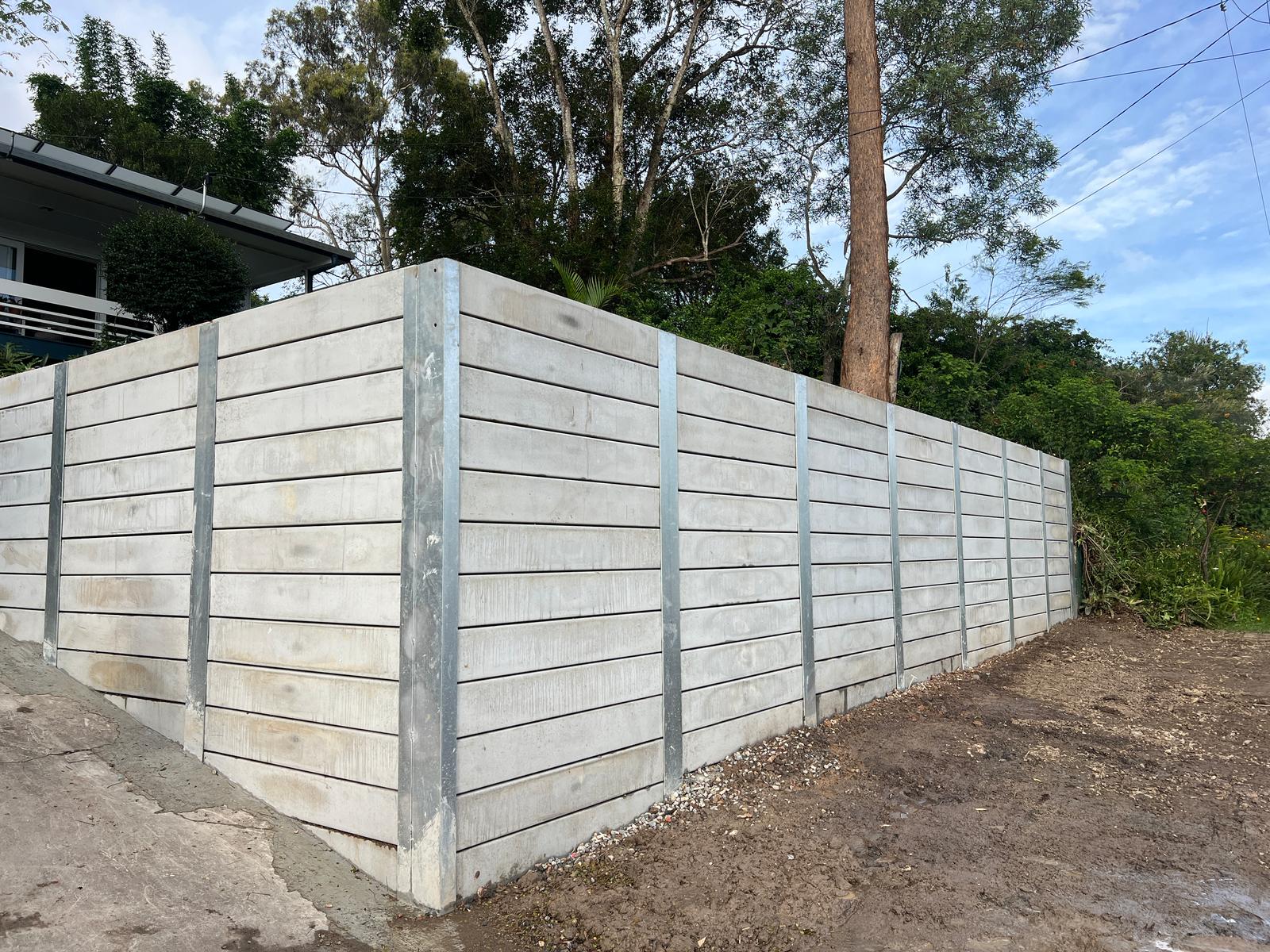
Retaining walls are more than just functional structures — they are essential elements that can transform your outdoor space into a beautiful, stable, and practical landscape. Whether you want to prevent soil erosion, manage sloped terrain, or enhance your garden’s aesthetics, choosing the right retaining wall design is crucial. With Brisbane’s diverse climate and soil conditions, selecting the best design ensures long-lasting performance, safety, and visual appeal.
Assess Your Landscape and Soil Conditions
Before deciding on a retaining wall design, it’s important to understand your property’s landscape and soil characteristics. Clay, sandy, or rocky soils behave differently under pressure, which affects wall performance. For example, clay soils expand with moisture, while sandy soils may require stronger reinforcement. A professional assessment by a qualified builder or engineer helps determine the ideal retaining wall type that suits your specific ground conditions.
Define the Purpose of the Retaining Wall
Not all retaining walls serve the same purpose. Some are built primarily for structural support — holding back soil on sloped properties — while others are used for decorative landscaping or garden edging. Clearly defining the purpose of your retaining wall will help narrow down your design choices. If it’s for heavy-duty support, consider engineered or concrete sleeper retaining walls. For decorative appeal, natural stone or sandstone walls may be the better choice.
Choose the Right Retaining Wall Material
The material you choose plays a major role in the wall’s durability, cost, and appearance. Here are some popular options in Brisbane:
- Concrete Sleeper Walls: Known for strength and longevity, ideal for both residential and commercial projects.
- Sandstone and Stone Walls: Offer natural beauty and blend perfectly with garden landscapes.
- Block Retaining Walls: Provide a modern, uniform look suitable for contemporary homes.
- Timber Retaining Walls: Cost-effective and perfect for smaller or decorative purposes, though they require maintenance over time.
- Engineered and Structural Walls: Designed for large-scale or high-load applications, ensuring stability and compliance with engineering standards.
Consider Drainage and Stability
Proper drainage is one of the most critical factors in retaining wall design. Without it, hydrostatic pressure builds up behind the wall, leading to cracks, bulges, or even collapse. Incorporate drainage solutions such as gravel backfill, weep holes, or perforated pipes to allow water to escape. Additionally, ensure the wall’s foundation is stable and reinforced, especially for taller or load-bearing structures.
Evaluate the Wall Height and Engineering Requirements
In Brisbane, retaining walls above one meter in height often require council approval and structural engineering certification. Taller walls must be designed to handle significant soil pressure and water drainage. Consulting with an experienced retaining wall builder ensures your project complies with local regulations and safety standards. Even smaller decorative walls benefit from professional input to guarantee stability and longevity.
Match the Wall Design with Your Property Style
While functionality is essential, aesthetics also play a key role in your decision. Your retaining wall should complement your home’s architectural style and landscape theme. For modern homes, sleek concrete or block walls work well. For traditional or natural settings, sandstone or stone walls provide timeless charm. Consider adding integrated garden beds, lighting, or seating areas to enhance both beauty and usability.
Think About Longevity and Maintenance
Each retaining wall material requires a different level of maintenance. Concrete and stone walls are low-maintenance and highly durable, while timber may need periodic sealing or replacement. Choosing materials that can withstand Brisbane’s weather conditions — from heavy rains to strong sunlight — will save you time and repair costs in the long run. Always prioritize quality over short-term savings.
Set a Realistic Budget
Your budget will influence the design, materials, and scale of your retaining wall. While natural stone and engineered walls may have higher upfront costs, they often provide better durability and aesthetics over time. Discuss your options with a professional builder to find the right balance between affordability, performance, and appearance. Transparent quotes and detailed cost breakdowns help you plan effectively and avoid surprises.
Work with Experienced Professionals
Designing and building a retaining wall is a complex task that requires expertise in engineering, soil mechanics, and construction techniques. Hiring experienced retaining wall specialists ensures the wall is built safely, efficiently, and in compliance with Brisbane’s building codes. Professional builders can also help with design suggestions that maximize your landscape’s functionality and beauty.
Final Thoughts
Choosing the best retaining wall design for your landscape involves balancing functionality, aesthetics, and structural integrity. By understanding your site conditions, choosing the right materials, and working with skilled professionals, you can create a retaining wall that not only enhances your property’s visual appeal but also provides lasting strength and stability. Whether you’re aiming for a stylish garden wall or a heavy-duty structural solution, the right design will transform your outdoor space into a secure and elegant landscape for years to come.